Physical Address
304 North Cardinal St.
Dorchester Center, MA 02124
Physical Address
304 North Cardinal St.
Dorchester Center, MA 02124
How to create a Europass CV for scholarship applications: what it is, when to use it, what to write in each section and how to keep it to 2 pages.
The Europass CV is a free CV format from the European Union that you can build online at europass.europa.eu. It is one of the best-known CV formats in Europe, and students use it to apply for scholarships, master’s programmes, internships and jobs. You can create, store and download it in 31 languages.
This guide explains when to use a Europass CV for a scholarship, how to create one step by step, what to put in each section, and how to keep it short enough for scholarship page limits.
Europass is an official EU website. You first build a free Europass profile with your education, training, work experience and skills. From that profile you can make as many CVs as you like, choose a design, and download each one as a file to upload to an application portal.
Because European universities and employers know the format well, a Europass CV is easy for a selection committee to read.
Only if the call asks for it. Most scholarships just ask for “a CV”, and some set a page limit or their own template. Read the call first. Some real examples from our blog:
If the call says “CV” with no format, a Europass CV is a safe choice for European scholarships. For US programmes, a short US-style resume is often better.
Your full name as it appears on your passport, a professional email address, phone number with country code, and your city and country. Europass suggests a professional photo. If a call asks for an anonymous CV or no photo, leave it out.
Two or three lines that match the scholarship. Example: “Public health nurse with four years in primary care in northern Nigeria, applying for a master’s in global health to strengthen maternal care systems.”
List your most recent job first. For each role give the dates, employer, city and two or three bullet points that start with strong verbs such as “managed”, “trained” or “increased”. Add numbers where you can.
Your degrees, from most recent, with the university, dates and your final grade or GPA as it appears on your transcript. Add a short course or certificate only if it supports your application.
Europass uses the European levels from A1 (beginner) to C2 (near-native). Be honest. If you have an IELTS, TOEFL or Duolingo score, add it here.
Add only what supports your application: a research project, a volunteering role, a prize, a publication. Leave out hobbies unless they show leadership or teamwork.
Europass also has a free cover letter builder. For scholarships, though, most calls ask for a motivation letter. See our full guide on how to write a motivation letter for a scholarship, with a sample.
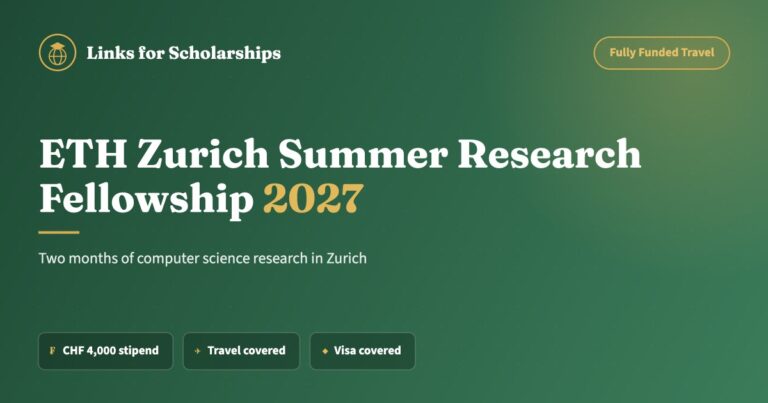
These European opportunities are open now and ask for a CV:
Ask in the comments, and we’ll help you shape your CV for the scholarship you’re applying to.
We post new scholarships and application guides every day. Join our WhatsApp channel or follow us on TikTok so the next one reaches you first.

Always confirm requirements and deadlines on the official application page. Do not share documents or sensitive personal information.


[…] our CV guide and our guide on asking for a reference […]